
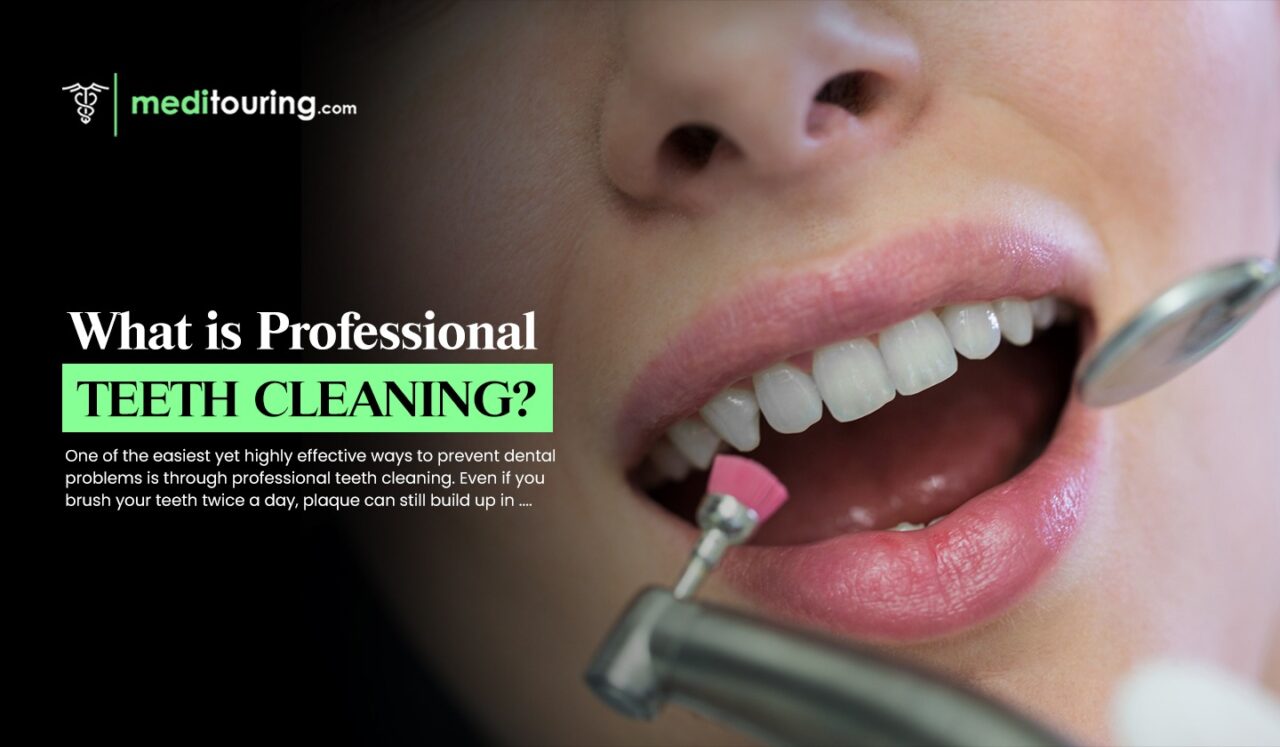
One of the easiest yet highly effective ways to prevent dental problems is through professional teeth cleaning. Even if you brush your teeth twice a day, plaque can still build up in hidden parts of your mouth which will eventually turn into tartar a material that only a dentist or a dental hygienist can remove without harming the surrounding tissues. If you neglect the build-up of tartar, you are increasing the chances for the development of gum diseases, tooth decay, and over time more serious problems in the mouth.
Studies are also finding out that the condition of one’s mouth can affect the whole body. For example, if someone has poor oral health, this might be a factor for the development of heart disease or diabetes. Taking care of your teeth and gums, in other words, is not only about having a nice smile.
This dental cleaning step-by-step guide describes in detail the procedure starting from the dental check-up until aftercare so that you will be fully aware of the process before you get a professional cleaning done.
Why Is Dental Cleaning Important?
A dental professional cleaning is a thorough removal of plaque and tartar build-ups that are not accessible even after brushing and flossing. And other benefits, when done regularly, the cleaning greatly helps in preventing tooth decay and gums inflammation, your breath is also refreshed. Also, it brings your dentist with a chance of spotting problems at their very early stage, for example, tooth decay or gum inflammation – that would have otherwise required complicated treatments.
Besides being fast, the procedure is also very comfortable and a lot less frightening than most people think.
What Happens During a Teeth Cleaning?
A professional teeth cleaning follows a clear, structured process. Here is each step explained.
Step 1: Physical Examination
Before any cleaning begins, the dental hygienist uses a small mirror to examine your mouth thoroughly. They check your teeth and gums for signs of concern including early gum disease, cavities, or areas of sensitivity to ensure the cleaning can proceed safely and any issues are noted for follow-up.
Step 2: Plaque and Tartar Removal
Scaling is the core of professional teeth cleaning. Using either a hand-held metal scaler or an ultrasonic device, the hygienist carefully removes plaque and tartar deposits from the surfaces of the teeth and along the gum line.
You may hear a scraping sound during this stage this is entirely normal. The duration depends on how long it has been since your last visit and the extent of tartar build-up present.
Step 3: Teeth Polishing
Once scaling is complete, the hygienist uses a motor-driven rotating brush and a mildly abrasive paste called prophylaxis paste to polish the teeth. This removes light surface stains and leaves the enamel smooth making it more difficult for plaque to accumulate between visits.
Step 4: Professional Flossing
Even for patients who floss consistently at home, professional flossing is a standard part of the dental cleaning process. The hygienist flosses between every tooth to remove any remaining paste or debris, reaching areas that instruments may not have fully addressed.
Step 5: Fluoride Treatment (Optional)
Some clinics conclude the session with a fluoride treatment. Fluoride is applied directly to the teeth to strengthen enamel and improve its resistance to decay. If you receive a fluoride treatment, your dentist will advise you to avoid eating or drinking for approximately 30 minutes to allow full absorption into the enamel.
Types of Dental Cleaning
Not every patient requires the same type of cleaning. Your dentist will recommend the most appropriate option based on the current condition of your teeth and gums.
|
Type |
Who It’s For |
What It Involves |
| Routine Prophylaxis | Patients with healthy gums | Standard scaling, polishing, and flossing |
| Gross Debridement | Patients with heavy build-up or long gaps between visits | Intensive tartar removal before a full evaluation |
| Scaling & Root Planning | Patients with gum disease (periodontitis) | Deep cleaning below the gum line, often with local anaesthetic |
| Periodontal Maintenance | Patients post-gum disease treatment | More frequent (every 3–4 months) monitoring and cleaning |
Benefits of Regular Teeth Cleaning
Seeing a dentist for a professional cleaning of your teeth on a regular basis is an effective way to make your teeth look nicer and have benefits that go beyond that. Cavities are less likely to develop. Getting professional teeth cleaning is one of the best ways to stop tooth decay. This in turn means that you are less likely to get fillings, crowns, or other types of major dental work.
It helps in maintaining whole-body health. Studies show that unhealthy bacteria in the mouth may cause heart problems, diabetes, and stroke. Getting your teeth cleaned by a professional is a great way to control the bacterial population in your mouth.
Allows for early detection of issues. Your regular visits to the dental hygienist give your dentist the chance to spot issues that refer to the mouth, like cancer, oral fractures etc at a time when they are easy and cheap to fix, less painful, and require fewer or no complications in the treatment.
What to Expect After Your Dental Cleaning
It is quite normal to experience mild tooth sensitivity and slightly sore gums for day or two after a professional teeth cleaning, in particular if a lot of tartar was taken away. You may take an over-the-counter pain reliever like ibuprofen if pain relief is necessary. It is best to steer clear of extreme temperature or highly acidic foods and drinks.
24 hours after your session. If you were given a fluoride treatment, do not eat or drink for 30 minutes after the treatment so that the fluoride can be well absorbed by the enamel.
Dental Cleaning and Dental Tourism in Europe
Regular professional teeth cleaning is among the top procedure patients who turn to dental tourism in Europe for are asking for. In fact, quite a few are doing a cleaning and getting a smile makeover, dental implant abroad, or a full mouth restoration to make the most out of a single trip.
When it comes to major surgeries like All-on-4 dental implants, professional dental cleaning is actually a usual step on the way. Good clinics clean you up well and check the health of your gums and bones very thoroughly before any surgical procedure. Doing so limits the chance of getting infected and is an important factor for the stability of the implants soon.
It does not matter if it is just a simple cleaning or complete transformation you want to do on your smile, dental tourism in Europe can open the doors to high-quality dental care at much lower prices than what most people have to pay at home.
Conclusion
Professional teeth cleaning is an easy and painless treatment that can offer you a healthy, beautiful smile and help you have a quality life. It basically involves the removal of plaque and tartar which can only be done by professional dental cleaning and not through regular brushing. In this way, regular dental cleaning is a kind of protection from not only dental caries and gum diseases but also serious systemic diseases. Besides, it allows your dental professional to identify any dental problems very early and This way save you from big expenses in the future.
In case you are thinking about having a dental check-up, or even thinking of dental tourism in Europe to have your treatment at a low price and at the same time enjoy a vacation, getting your teeth professionally cleaned is for sure one of the healthiest actions you can carry out for your well-being.
Frequently Asked Questions
Professional teeth cleaning or prophylaxis is a dental preventive care procedure performed by a dental hygienist who first removes the plaque and tartar from the teeth surfaces including the areas where regular brushing does not stretch and then they polish and floss the teeth.
Most professional teeth cleaning appointments last about 30 to 60 minutes. How long exactly depends on how much plaque and tartar there are and what kind of cleaning you are having.
Yes. Clinics which provide dental implants abroad or All-on-4 dental implants, usually start with a professional dental cleaning and a thorough dental examination to ensure that your gum and bone health are suitable for surgery.
Many times, it does. Professional teeth cleaning is one of the main procedures offered at dental tourism clinics throughout Europe, and a lot of patients combine it with cosmetic or restorative treatments like full mouth restoration all in one visit.