
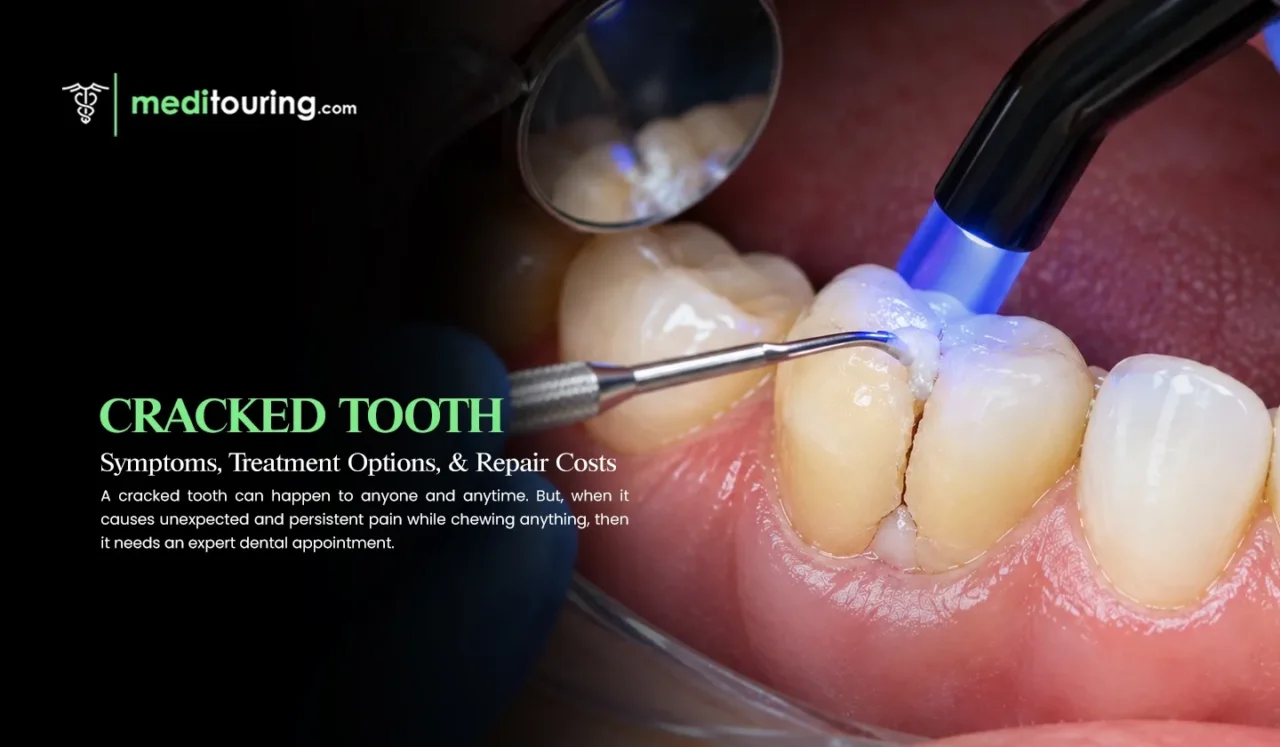
A cracked tooth can happen to anyone and anytime. But, when it causes unexpected and persistent pain while chewing anything, then it needs an expert dental appointment. Cracked teeth can happen for different reasons, ranging from long-term grinding (bruxism) or minor accidents that can damage the enamel. Initial pain might subside using painkillers, but neglecting persistent pain can cause serious oral health complications such as deep pulp infection or bacterial penetration. That’s why you need to understand the clear difference between a cracked tooth or a minor chipped tooth to protect your smile and save your broken ones.
Recognizing Key Cracked Tooth Symptoms
Recognizing a cracked tooth fracture isn’t as easy as it seems. Sometimes it is hidden completely beneath the gum line or seen through a microscope only. But, watching classic cracked tooth symptoms such as sharp pain, sudden penetrating pain, or issues while chewing—simply anything needs professional care. You might experience increased sensitivity to hot, cold, or sugary drinks that tells about the extent of protective layer damage and that sensitivity has exposed the dentine layer. In advanced stages, a pulp abscess can develop, infection can cause swollen or tender gums, and blood or pus may ooze from the affected area. This stage needs a clinical examination that includes X-rays and 3D imaging to determine if structural integrity is compromised or not.
How to Fix a Cracked Tooth: Modern Treatments
If you are wondering how to fix a cracked tooth, the right treatment depends on the depth, location, and severity of the fracture line. After proper assessment, doctors will suggest you arrange a restorative and endodontic procedure to ensure aesthetics as well as structural stability. Some of the modern dental treatments include –
- Composite bonding — A treatment method is used for small surface cracks, craze lines, or a minor chipped tooth. A conservative method for chipped tooth repair that uses tooth-colored white dental fillings to preserve the natural structure. In this treatment, resin bonds are stuck on the enamel surface, which means less drilling is needed.
- Dental crowns — If there is an old and large cracked filling or significant structural loss, simple bonds wouldn’t work. That’s where you will need a stronger dental crown is needed for cracked tooth protection. It fully covers the remaining tooth structure to withstand heavy bite forces, and it is often the best solution for back molars.
- Endodontic care — If the cracked tooth fracture has penetrated deeper into the softer pulp chamber, which is exposing living blood vessels and nerves, you will usually need a root canal. Root canal therapy removes infected tissue, drains the abscess, and seals the canals to prevent further infection.
- Extraction and implants — Lastly, if we talk about extreme severity, where a split tooth or vertical root fracture goes beyond the gum line, the tooth often cannot be saved. The last option is a tooth extraction and replacement using high-quality dental implant.
Can a Cracked Tooth Heal on Its Own?
Can a cracked tooth heal on its own? Well, this is the most asked question by the patients. Well, in comparison to bone tissues, tooth enamel cannot replicate or repair itself naturally. An untreated cracked tooth can gradually worsen and cause problems while chewing, letting bacteria reach deep into the tooth. Can a cracked tooth be saved? Often, yes, especially if you see a dentist early. Many cracked teeth can be repaired with conservative methods, which helps save your natural smile.
Understanding Cracked Tooth Repair Cost
The total cracked tooth repair cost depends on individual requirements, lab work, specific materials needed, and case complexity. A standard chipped tooth repair usually involves composite bonding, which is a budget-friendly option and is typically completed in a single visit. Your doctor will suggest your custom-made porcelain restorations or advanced endodontic therapy based on your symptoms and severity. Consulting a professional is the best way to safeguard your health and ensure your safety.
Overview of Fractures and Restorations
| Category | Details | Key Care Approach |
|---|---|---|
| Causes | Hard foods, bruxism, facial trauma, structural wear, or old decaying fillings. | Advanced digital 3D scans. |
| Symptoms | Intermittent chewing pain, temperature sensitivity, and swollen gums. | Transillumination testing. |
| Bonding | Ideal for superficial craze lines and minor enamel surface chips. | White composite materials. |
| Crowns | Fully encases damaged structure to withstand intense biting forces. | Custom zirconia crowns. |
| Root Canal | Cleans out infected interior pulp chamber and drains painful abscesses. | Deep sealing procedures. |
| Extraction | Utilized only when a severe fracture extends far below the gumline. | Stable implant systems. |
Conclusion
If you keep ignoring cracked tooth pain and rely on painkillers alone, the damage to your tooth can get worse. Sometimes it might develop into a severe and painful infection requiring immediate medical care from an expert team. A professional that can help you restore your natural smile swiftly, safely, and comfortably. At Meditouring, we are here to help you find quality dental treatment whenever you need it.