
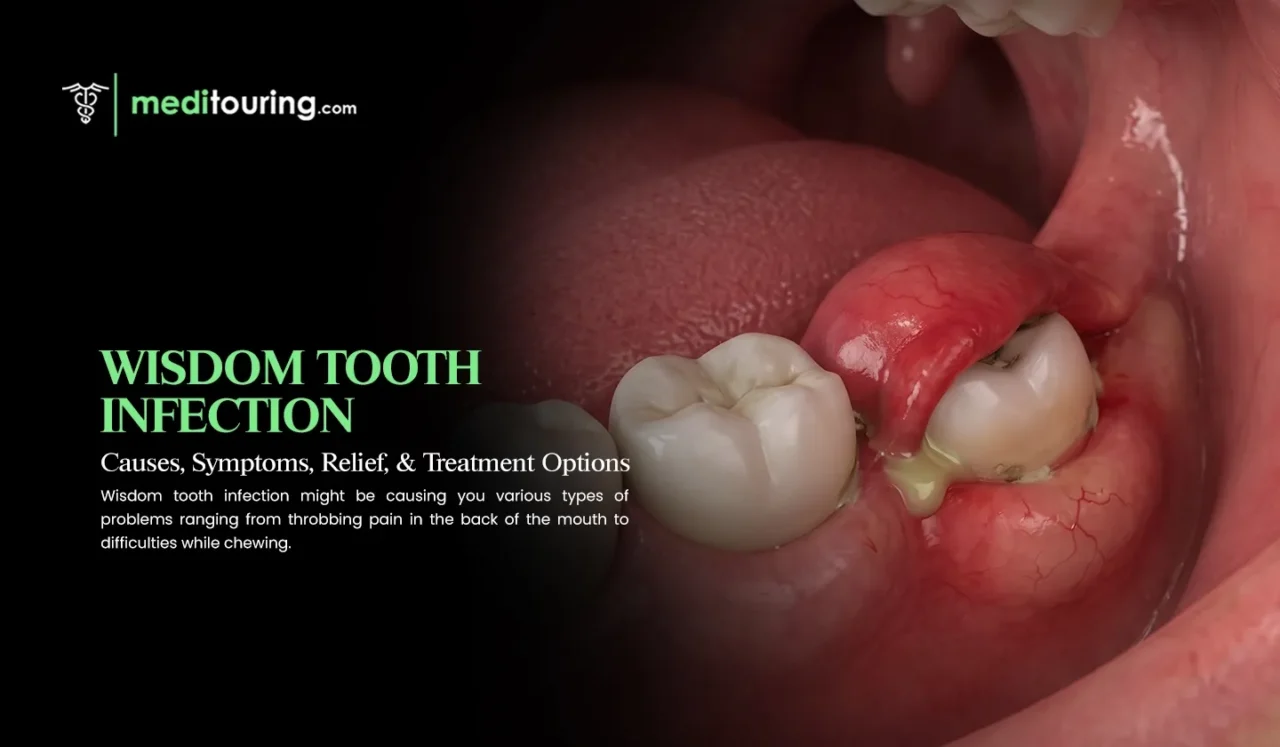
Wisdom tooth infection might be causing you various types of problems ranging from throbbing pain in the back of the mouth to difficulties while chewing. These molars can make life miserable if not properly addressed by a dentist. They arrive later in life when we are between 17 and 25, making our jaw crowded and painful. This crowding leads to bacteria growth, and if left untreated, these wisdom teeth can cause infections spreading throughout the oral cavity, leading to tooth loss, emergency repairs, and sometimes jawbone damage. But, if you want to avoid these painful dental appointments, you first need to understand what triggers this infection, early warning signs, and how to get professional dental care to protect yourself from wisdom tooth infection.
Why Do Wisdom Teeth Become Infected?
The root cause of wisdom tooth infection is a crowded jaw with no room as newer teeth get in. This structural limitation can cause many dental complications, such as:
- Tooth impaction — Wisdom teeth need space to fully emerge; otherwise, they become trapped beneath the gum line or press tightly against the other molars. Crowded structure causes deep pressure, pain, and severe inflammation.
- Pericoronitis — If a wisdom tooth only partly emerges, a small flap of gum tissue stays over it. This flap becomes the natural pocket that houses bacteria, food particles, and plaque. It’s hard to reach when you are brushing your teeth or even while flossing, hence allowing bacteria to multiply rapidly and leading to a tooth infection.
- Why do we have extra molars? As our ancestors ate tough raw foods like roots, plants, and meat, they needed an extra pair to chew and grind tough particles and tissues. As we evolved over time, these jaws became smaller, and extra pairs became redundant, resulting in painful impacts for people between 17 and 25.
Key Symptoms to Look Out For
You need to understand the wisdom tooth infection symptoms to address the problem before it becomes a full-scale abscess accompanied by other problems. Some common signs include:
- Persistent pain — You may experience persistent, throbbing aches in the back of the mouth to the jaw or ear.
- Swollen or bleeding gums — Gums become red or highly inflamed around the new tooth and may bleed even with brushing.
- Foul taste and odor — Metallic taste or bad breath due to the presence of pus draining under the gum flap.
- Facial swelling — Your cheeks, jawline, or the lymph nodes beneath the jaw are swollen.
Safe Ways to Manage Pain at Home
You need to consult a professional dentist for any kind of wisdom tooth pain relief to stay comfortable at all times. Or you can try safe and short-term DIYs for wisdom tooth infection relief to manage pain for some time.
- Warm saltwater rinse — Mix half a teaspoon of salt in lukewarm water and swish around the mouth for 30 seconds before spitting. Repeat a few times a day, as it will cleanse bacteria, flush out trapped food particles, and soothe irritated tissues.
- Cold therapy — Or you can apply a cold compress in 15-minute intervals to numb sharp pain and lessen facial swelling.
- Clove oil — Clove is known for its anti-inflammatory properties. So, dab some diluted clove oil on the affected area (undiluted oil can burn gums) with a cotton swab or get a gel to numb the pain.
Note: Home remedies are designed solely for temporary comfort and do not cure the underlying bacterial issue. Always schedule a professional appointment to treat the root cause.
Professional Treatment Options
There are plenty of options available for wisdom tooth infection treatment to make sure the pain never returns. Dentists will suggest appropriate treatment based on the severity of the issue, whether extraction is necessary or not.
| Treatment Phase | Clinical Procedure | Primary Goal |
|---|---|---|
| Infection Control | Deep therapeutic irrigation and prescription oral antibiotics. | Flushes out trapped bacteria and subdues acute swelling before surgery. |
| Surgical Extraction | A routine wisdom tooth extraction performed under local or general anesthesia. | Safely removes the problematic tooth to eradicate the source of infection. |
Based on the evaluation, if the molar is deeply impacted, wisdom tooth removal might be the last resort and one of the safest infected wisdom tooth treatments possible.
Exploring Wisdom Tooth Treatment Abroad
Seeking consultation at a top-notch clinic can lead to long waiting lists. That’s why you can also choose wisdom tooth treatment abroad to get the best treatment from highly certified oral surgeons at a fraction of the cost. You can choose dental treatment abroad in countries like Italy. They provide modern surgical options and digital diagnostic X-rays, so you can manage your health on a budget.
Conclusion
Hence, wisdom tooth infection is nothing to shrug off and live in pain. Symptoms may ease on their own, but the infection will return. You can try temporary home remedies for relief, but medical consultation is necessary. Your dentist may give you medicines or suggest wisdom tooth extraction as the last alternative for severely damaged or decayed teeth. If local dental costs or long waiting times prevent you from getting prompt care, exploring certified clinics internationally offers a highly safe, modern, and affordable alternative to protect your long-term oral health.